10 Unexpected Expenses When Building a Home

Building your own home is one of the most exciting journeys you can take, but it can also come with its fair share of surprises. As someone who’s been in home construction for over two decades, I’ve seen even the most well-organized clients face unexpected expenses that throw off their project budget and timeline. The best way to avoid financial surprises? A proactive approach and thorough planning—starting with knowing where hidden costs tend to pop up.
Here are 10 unexpected costs you’re likely to encounter during the home building process—and how to prepare for them.
1. Site Preparation and Soil Testing
You’ve found the perfect lot—but what’s underneath it could lead to added costs. From tree removal, grading, and soil testing to addressing drainage or slope issues, site preparation costs can quickly escalate. You’ll also likely need to budget for site development costs like access roads or erosion control if your building site is remote or uneven.
2. Permits, Fees, and Legal Costs
Before any work begins, you’ll need a variety of building permits and necessary permits, each with its own fee. Depending on your area, these can include permit fees, impact fees, site visits, and legal fees. It’s a good idea to check with your local building department during the planning phase so these potential hidden costs don’t sneak up later.
3. Utility Connections
Connecting your home to various sources of water, gas, electricity, and sewer can bring unexpected issues. If you’re outside city limits, you may need a septic system, well, or propane tank—each with their own extra costs. Utility connections can range from a few hundred to several thousand dollars depending on location and availability.
4. Change Orders and Design Changes
Even with careful planning, changes during the construction process are common. Whether it’s upgrading to quality materials or altering your floor plan, change orders are one of the most common unforeseen expenses in custom-built homes. A few changes here and there can cause cost overruns if not monitored closely.
5. Appliances and Fixtures
Some construction projects don’t include appliances like refrigerators, ovens, or water heaters in the initial bid. You may also want to upgrade to solar panels, smart thermostats, or high-efficiency HVAC systems—all of which increase your total construction cost. Make sure these are included as a line item in your project budget.
6. Landscaping and Driveways
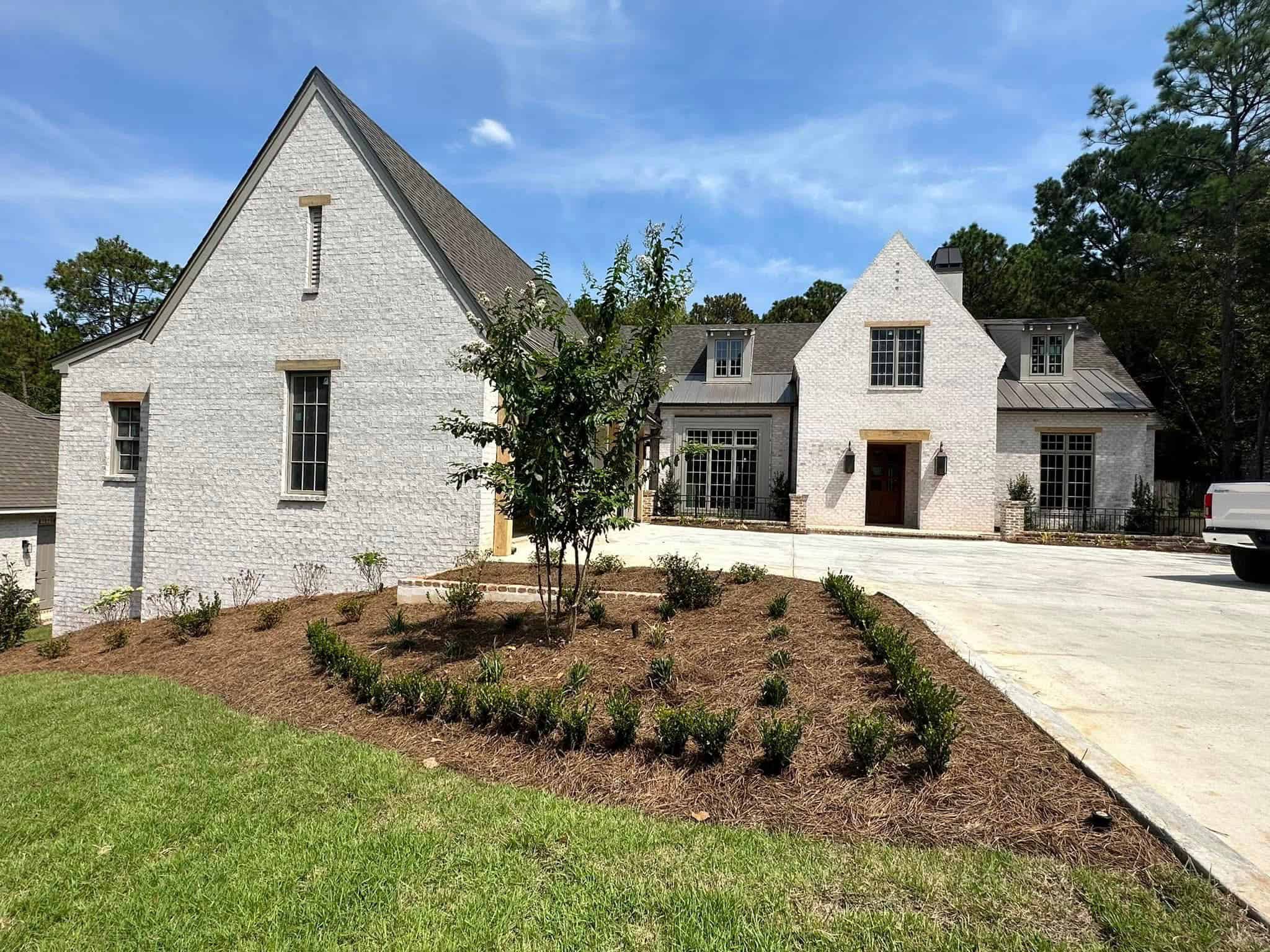
Your dream home doesn’t feel finished without curb appeal. Many clients are shocked to discover the final price doesn’t cover landscaping, sod, fencing, or driveways. These additional costs can also include common areas, lighting, or even snow removal solutions in colder climates.
7. Insurance and Property Taxes
While you may be focused on construction costs, don’t forget about homeowners insurance, property taxes, and closing costs. These can vary widely depending on your location, home value, and whether you’re building in a development with HOA fees.
8. Temporary Living and Storage
If there are potential delays, you may need short-term housing or a storage unit while your home is being finished. This becomes especially important if your monthly mortgage payment begins before you move in. It’s one of those unexpected costs many people overlook in the design phase.
9. Final Touches and Move-In Costs
Once construction wraps, you’ll likely face a few unexpected issues—like a leaky roof, minor repairs, or changes to the house plan. Furnishing your new space, installing blinds or curtains, or addressing water damage from bad weather can all come with a price tag.
10. Contingency Budget and Final Thoughts
The best way to avoid sticker shock during a new home build? Set aside a contingency budget of 10–20% of your overall budget. This extra fund helps manage potential costs that weren’t in the original scope—from labor costs to material costs, or even last-minute changes from your design-build firm or general contractor.
Get this New Home Construction Workbook
This all-in-one digital download contains over 40 printable worksheets specially designed to help homeowners through every step of the construction process all the way to moving.
Final Word from Josh
Building the home of your dreams is worth every step—but don’t let unforeseen costs derail your vision. I always tell my clients the first step is partnering with a trusted custom home builder who’s with you every step of the way, from the design process to the final walkthrough. Combine that with solid planning and advice from a financial advisor, and you’ll minimize risk and maximize results.