
Important Things Every Homeowner Should Know Before Hiring a Contractor

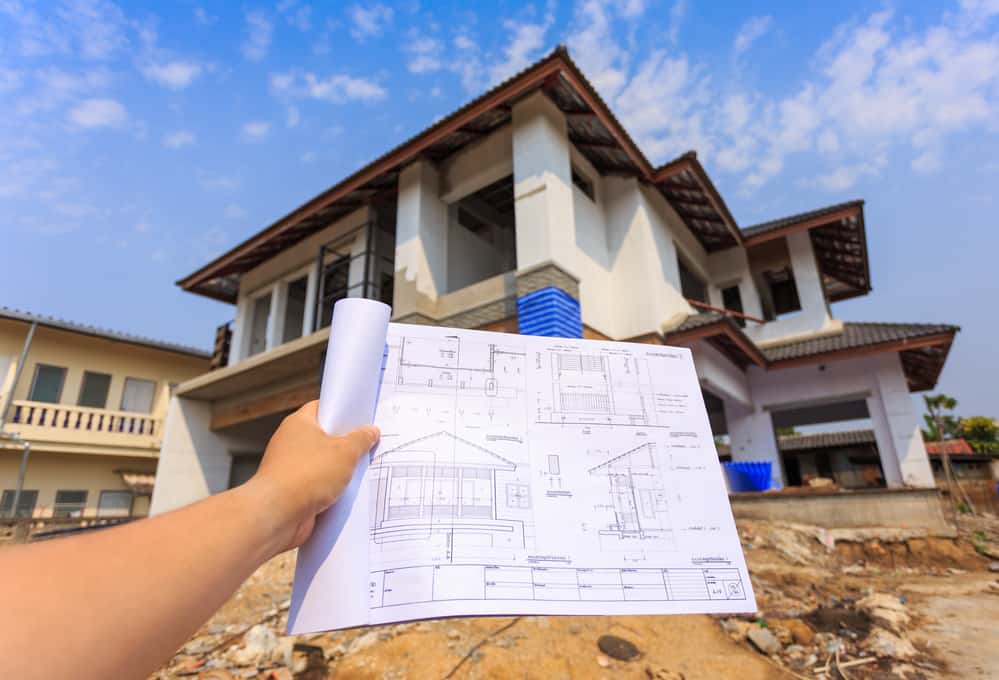
Learn crucial things to know before hiring a contractor, ensuring you make informed decisions for a successful and well-managed construction project.
When it comes to general contractors, it can be so easy to get taken advantage of. To avoid falling into the trap of shoddy work, messy leftovers, and losing money, here are some things every homeowner should know before hiring a contractor. Having an idea of what to expect can really make your life much easier and guarantee you a better outcome for your project.

Do Your Homework about your contractor
The first step every homeowner should do is their homework before meeting with a potential contractor and making a decision on who to hire. If you don’t, you may accidentally hire unlicensed contractors.
Check their license and check for worker’s comp insurance and liability insurance
Make sure to verify all prospective contractors’ licensing and insurance to make sure that the coverage they have is appropriate for the amount and type of work being done. Protect your liability and get peace of mind by requesting the proof of insurance certificate, and be sure to check the expiration dates. You can also call the insurance company and verify the insurance is valid. You should also keep a record of the builder’s license number.
Speak to Past Clients before hiring your contractor
It is always a good idea to call their references and actually talk to the former clients about the contractor’s kind of work, timeliness, and attitude. Find out if they provided accurate quotes and the quality of their work. Check the Better Business Bureau to see the ratings and who is listed as the best contractor in your area.

Know the Scope of your Project
Do your due diligence when it comes to your actual project. If you rely on the contractor to know all of the details and call the shots, you might get taken for a ride. Do your research and know the work it will take to complete your project, how long it should take, the materials and work involved, any local building permit required, and what similar projects cost in your area.
Experienced Subcontractor
When you take the time to research not only your project but the subcontractors who will be working on your construction project, you’ll ensure the successful completion of the venture and the quality of the work you will receive. Workers’ compensation insurance protects you from liability in the event a contractor is injured while working on your property. Make sure to hire a fully insured general contractor.
Get multiple estimates but be sure to compare apples to apples
Talk to several different contractors and get written estimates from at least three before making a final decision. Make sure you’re comparing apples to apples when you get multiple estimates. Look at building materials, work methods, timelines, and other factors that may vary by a professional contractor. Be cautious of estimates that are too high or too low.
Get this New Home Construction Workbook
This all-in-one digital download contains over 40 printable worksheets specially designed to help homeowners through every step of the construction process all the way to moving.
Decide on the Right Contractor
Interview them
While your entire project certainly doesn’t weigh solely on how much you like your contractor, your end result will always be better if you find someone that you can work well with, and who understands your plans. You want to interview each contractor and discuss with them your plans to get an idea of who will be the right person suited to completing the project with you.
Ask what the time frame will be for the project
Ask your contractor to be as specific as possible (within reason) for the timeline of the construction process. While unexpected problems might arise as the project unfolds, an experienced contractor should be able to provide a timeline for the completion of the project.
Ask for a schedule that outlines not only the completion date but also various milestones. This provides measurable goals to ensure that your project stays on track.
Read The Ultimate New Home Construction Checklist so you know what to expect.
Ask how many additional projects they are working on
It also doesn’t hurt to ask about your contractor’s future commitments. You don’t want them to disappear to another job before completing your project. However, a big red flag pops up if you are the only one hiring them! If your contractor has too many projects relative to their scope of work, the quality of your renovations may be affected.

Budget and Payments
It is important to define the responsibilities associated with your project, such as the collection of materials and whether the costs are included in your quote. You should pay a small down payment, then make incremental payments based on the work being done, and then withhold the final and largest check until after the job is done, inspected, and cleaned up properly. Otherwise, you might end up with an unfinished project or a huge mess to clean up.
Who will purchase the materials?
Most contractors have existing relationships with material supply companies and receive them at a discount, but it never hurts to do your own research.

What is a Cost Plus Building Contract?
Unlike a fixed-cost construction contract, a cost-plus construction agreement is a contract in which the owner pays the contractor the actual costs of the materials and labor plus an additional negotiated fee or percentage over that amount. The cost-plus contract is probably the most widely used contract in the construction industry. The additional fee or fixed percentage is the contractor’s profit.
Determining a Payment Schedule
It is vital that you have a clear written contract that shows the start date and estimated date of completion along with the payment schedule established.
What happens if something unexpected is found?
It’s quite common to find something you didn’t plan for in the course of a renovation project. Walls and floors can mask issues, and regardless of how good or accurate a contractor is, he or she won’t know the extent of any issues until work is underway. It is vital that you establish who is responsible for the scope of your project.

Communication with your Contractor
Communication is key
Be clear about your wants and ask how often the contractor is willing to communicate with you.
Do not make the mistake of just leaving the contractor and workers to complete the project without any supervision. Make sure you stop by quite often, ask questions, and point out things that don’t look right to you. This can help you avoid accidentally letting the contractor cut corners or hire unqualified workers ensuring that everything is on the “up and up” at your project site. Good communication is key to ensuring you are in good hands.
Ask Questions
If something looks wrong or if you have questions about the progress of your project, don’t be afraid to step in and ask. You are paying for this work to be done, after all, and you want to make sure the outcome is what you are expecting. This doesn’t mean making a complete nuisance of yourself, but do be present and aware of what is happening, and ask questions when you need to.

Learn when you can cancel your agreement
Federal law may require a “cooling off” period, in which you can cancel the contract without penalty. Check with the Federal Trade Commission and the laws of your state to understand your rights. Be sure to follow applicable rules during the cooling-off period. If you do cancel, consider sending the notice of cancellation by registered mail to ensure you have proof of the cancellation.
Completing the Construction Process
Having prior knowledge of how to deal with contractors and what to expect will help you with your future home improvement projects. These are things that every homeowner should know about hiring contractors, and advice that you should absolutely follow when looking to hire your own qualified contractor.

Who is responsible for the clean-up of the building site during the construction process?
If you are hiring a contractor they will typically be responsible for cleaning the project site. They will most likely pay the fee for the dumpster to haul off debris, but this needs to be confirmed in the contract.
Also, make sure there is an understanding of any dirty work that must go on during the job. For example, if mudding and sanding are required on drywall, there is no getting around the fact that there is going to be a significant amount of dust created. So, be sure to confirm with your contractor the measures taken to avoid creating more mess than necessary. For instance, will they seal off vents and cover doorways to prevent dust from entering the home?

Take a Final Walk Through
Before you hand over that final check, do multiple walk-throughs of the final project.
(Free walk-through construction checklist you can download)
Try to go inspect alone at least once or twice without the contractor next to you so you will have the space to inspect every tiny detail of the work you commissioned. Use some blue tape to mark the issues that you see. Make notes if you have to. Then, don’t be afraid to point out mistakes or things that need to be fixed to the contractor before making your final payment.
Keep a Building Planner with the Ultimate New Home Construction Checklist, which you can download here!
Keep your contract and all the supporting documents in one folder. Your file should also contain any change orders, plans and specifications, bills and invoices, canceled checks, certificates of insurance, and any letters, notes, or correspondence with the contractor.
Get this New Home Construction Workbook
This all-in-one digital download contains over 40 printable worksheets specially designed to help homeowners through every step of the construction process all the way to moving.







Thanks for your blog, nice to read. Do not stop.